
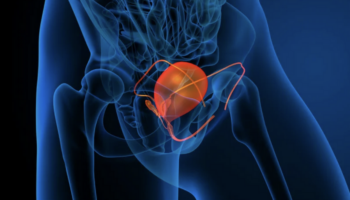
Patients with Neuropathic Bladder Are At Greater Risk of Complications After THA
Patients with neuropathic bladder, a condition in which nerve damage affects bladder function, have a significantly higher risk of periprosthetic joint infection, deep vein thrombosis, and other adverse events after total hip arthroplasty (THA), according to research from UT Southwestern Medical Center.
The study findings were published in the Journal of Orthopaedics.
“Many neuropathic bladder patients don’t understand the gravity of their condition or tell their surgeons about it,” said Senthil Sambandam, MD, Associate Professor of Orthopaedic Surgery at UT Southwestern and senior author of the study.
“As surgeons, we must be more aware of bladder issues because patients with neuropathic bladder can require significant postoperative resources.”
Dr. Sambandam’s research on the incidence of postoperative complications in these patients stemmed from his question on whether neuropathic bladder was affecting outcomes for hip replacement patients in his surgical practice.
Study Findings
To track postoperative complications in neuropathic bladder patients, Dr. Sambandam and researchers from UT Southwestern used the TriNetX Research Network, an electronic health record data set from more than 80 US healthcare organizations. They identified 1428 neuropathic bladder patients within the network and compared their incidence of postoperative complications with a set of non-neuropathic bladder patients.
Neuropathic bladders that fail to completely drain can allow urinary tract infections (UTIs) to flourish, and catheters can further introduce pathogens. The researchers found that due to frequent catheter use, patients with neuropathic bladder were 3.8 times more likely to experience a UTI 30 and 90 days after THA than those with a fully functioning bladder.
Neuropathic bladder patients were also 1.8 times more likely to experience a periprosthetic joint infection than patients without neuropathic bladder within 1 year of surgery. Chronic inflammation can weaken the immune systems of neuropathic bladder patients as well, making them 3 times more likely to contract pneumonia within 30 and 90 days of THA.
Greater risk of joint infections, hip dislocations, and fractures made patients with neuropathic bladder more than twice as likely to undergo revision THA at 1 and 5 years after surgery.
In addition, neuropathic bladder patients were twice as likely to develop life-threatening deep vein thrombosis in their lower extremities.
Independent Risk Factor
“These elevated risks persist even after matching patients for age, sex, body mass index, smoking status, and diabetes, indicating neuropathic bladder itself is an independent risk factor,” said Antonia Chen, MD, MBA, Chair and Professor of Orthopaedic Surgery and a study co-author.
“Patients may need counseling on the impact of neuropathic bladder on their hip replacement outcomes.”
Dr. Sambandam recommends that surgeons remain alert for neurologic conditions affecting patients’ bladders and suggested performing THAs in these patients in settings with multidisciplinary support teams to handle their complex cases.
Proper catheter maintenance to prevent UTIs, a healthy immune system to prevent complications such as pneumonia, and prophylaxis to prevent deep vein thrombosis may reduce the risk of THA complications.
More research is necessary to determine which neuropathic bladder patients carry the greatest risk for complications after THA and develop further preventive methods.
Source
Hwang J, Edwards D, Chen AF, Sambandam S. Assessing the impact of neuropathic bladder on total hip arthroplasty outcomes: A matched cohort analysis. J Orthop. 2025 Dec 2:72:362-370. doi: 10.1016/j.jor.2025.12.001. eCollection 2026 Feb.